




Death Knight Path (Unearthed Arcana) — Full Breakdown, Power Level, and Best Builds
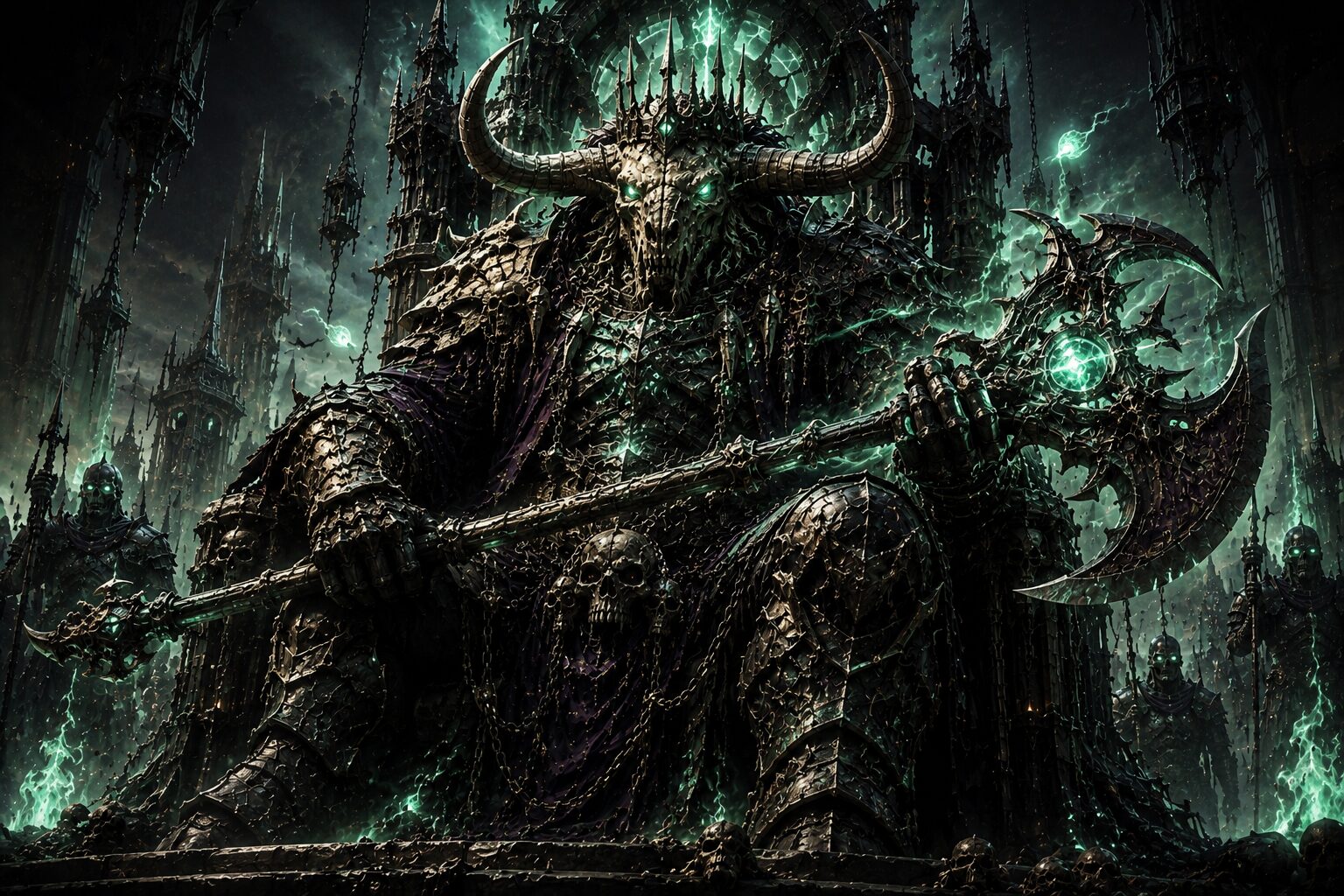
The Unearthed Arcana “Villainous Options” release introduces a new kind of character progression to D&D 5e: feat-based transformation paths. Among them, the Death Knight Path stands out as one of the most compelling and mechanically flexible options.
Rather than functioning as a subclass, the Death Knight is a feat chain that any character can pursue, gradually transforming into an undead champion fueled by dark power.
In this breakdown, we’ll examine how the Death Knight Path works, how it compares to traditional subclasses, and what builds make the most of its mechanics.
What Is the Death Knight Path?
The Death Knight Path is a series of feats that represent a character’s fall into undeath and domination. Instead of choosing a subclass, you invest in this path over time:
- Initiate Feat (Level 4): Gain core abilities and a new resource
- Additional Feats: Expand your powers and specialize
- Ascension Feat (Level 12): Fully transform into a Death Knight
This system allows any class to adopt the Death Knight identity, layering new mechanics on top of existing class features.
Core Mechanics
Death Points Resource
The defining mechanic of the Death Knight Path is a pool of Death Points, typically scaling with proficiency bonus. These points fuel various abilities, such as:
- Enhancing weapon attacks
- Powering spells or spell-like effects
- Triggering fear or debuff mechanics
Assessment:
A flexible and scalable resource system that supports both martial and hybrid builds.
Necrotic and Fear Synergy
Across the feat chain, the Death Knight emphasizes:
- Necrotic damage
- Fear-based effects
- Debilitating enemies over time
These mechanics often combine to:
- Weaken enemies’ effectiveness
- Control positioning
- Increase overall damage output
Assessment:
Strong thematic cohesion with solid mechanical payoff, particularly in multi-enemy encounters.
Spell Integration
Even non-casters gain access to limited spellcasting through the path, often including spells such as:
- Wrathful Smite
- Bane
- Other necrotic or fear-based effects
For existing spellcasters, these abilities can enhance or expand their toolkit.
Assessment:
A significant power boost for martial classes, though less impactful for full casters.
Undead Transformation (Ascension)

At higher levels, the Death Knight completes its transformation:
- Gains the Undead creature type
- Receives resistances (commonly necrotic and poison)
- Unlocks powerful abilities such as large-area damage effects
This is the defining moment of the path, both mechanically and narratively.
Assessment:
A strong capstone that meaningfully changes both gameplay and roleplay.
Power Level Comparison
Compared to Subclasses
Because the Death Knight is not a subclass, it stacks with existing class features. This creates a different kind of power evaluation.
Advantages:
- Adds new abilities without replacing subclass features
- Expands build options significantly
- Allows for hybrid playstyles
Drawbacks:
- Costs multiple feats, which are a valuable resource
- Slower progression compared to a subclass
- Requires long-term investment
Conclusion:
Comparable to a strong subclass when fully realized, but more flexible and customizable.
Compared to Feat Investment
Spending multiple feats on a single path is a major tradeoff. Compared to standard feat choices:
- You gain a cohesive and scaling power set
- You lose access to general-purpose feats like Great Weapon Master or War Caster
Conclusion:
The Death Knight Path is most effective when your build is designed around it from the start.
Strengths of the Death Knight Path
Flexible Integration
Works with nearly any class, allowing for a wide range of character concepts.
Strong Thematic Identity
Delivers on the fantasy of becoming an undead champion over time.
Scalable Power
Abilities grow as you invest more feats, leading to a strong late-game presence.
Weaknesses of the Death Knight Path
High Opportunity Cost
Requires multiple feat investments, limiting other customization options.
Delayed Power Curve
Early benefits are modest compared to full subclasses.
Campaign Dependency
Some features (such as fear effects or necrotic damage) may be less effective depending on enemy types.
Best Builds for the Death Knight Path

Martial Death Knight (Fighter or Paladin Base)
This is one of the most effective ways to use the path.
Key Features:
- Strong weapon attacks
- Synergy with smite effects
- High durability
Playstyle:
Enhance melee attacks with Death Points and apply fear effects to control enemies. This build benefits from staying in close combat and applying consistent pressure.
Hybrid Caster (Cleric or Warlock Base)
This build blends spellcasting with Death Knight abilities.
Key Features:
- Access to spells that complement necrotic and fear themes
- Additional resource management options
Playstyle:
Use spells to weaken enemies, then follow up with Death Knight abilities to maintain control and damage output.
Control-Oriented Build
This approach focuses on debuffs and battlefield manipulation.
Key Features:
- Abilities that apply fear or penalties
- Positioning-focused gameplay
Playstyle:
Disrupt enemy actions and positioning while supporting allies through indirect control.
Roleplaying the Death Knight
The Death Knight Path is ideal for characters undergoing a fall from grace or embracing dark power. Common themes include:
- A fallen paladin bound to undeath
- A warrior cursed by a dark entity
- A conqueror seeking immortality through forbidden means
This path works best in campaigns that support long-term character arcs and moral consequences.
Final Verdict
The Death Knight Path is an innovative and powerful addition to Unearthed Arcana, offering a new way to build characters in D&D 5e.
Strengths:
- Highly flexible and customizable
- Strong late-game power
- Excellent thematic execution
Weaknesses:
- High feat investment cost
- Slower progression
- Situational effectiveness depending on enemies
Overall Rating: A Tier
While it requires commitment and planning, the Death Knight Path rewards players with a unique and satisfying progression that stands apart from traditional subclasses.
Thanks for reading. Until Next Time, Stay Nerdy!!
SEO Summary
Keywords:
Death Knight 5e Unearthed Arcana, Death Knight feat path, D&D villainous options UA, undead knight build 5e, best feat chains 5e
Meta Description:
A complete breakdown of the Death Knight feat path from Unearthed Arcana, including mechanics, power level comparison, and the best builds for creating an undead champion in D&D 5e.



No Comments